I read a wide variety of books this month, with varying success. There was plenty of loss and heartache in these stories, with some glimmers of hope sprinkled in. Let’s jump into the reviews!
NONFICTION
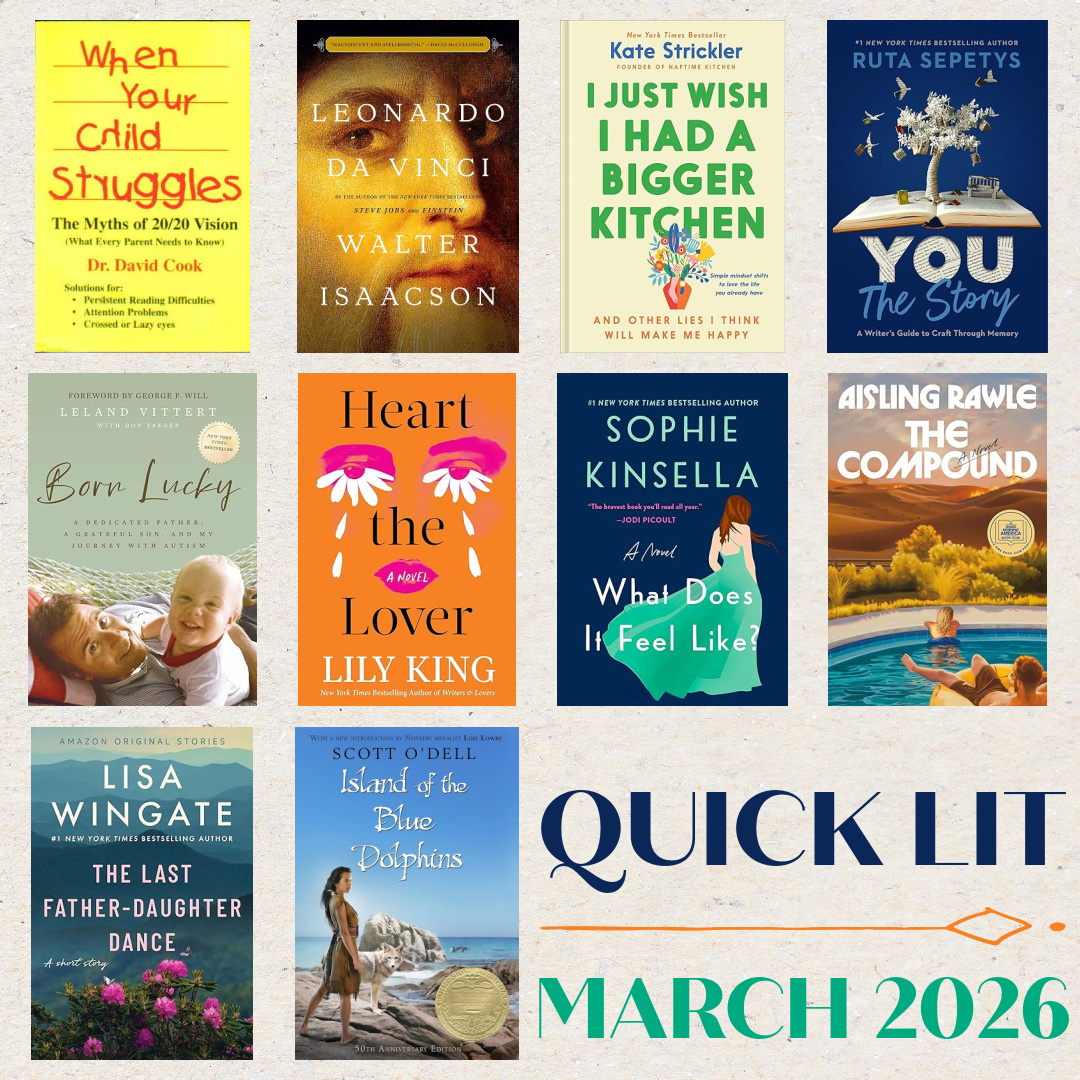
When Your Child Struggles The Myths of 20/20 Vision: What Every Parent Needs to Know, by Dr. David Cook—As someone with good vision, I’ve had the privilege of living more than forty years giving little thought to the eyes and how they work. I would never have considered picking up a book about vision until it was pressed into my hands at a recent eye appointment for my kids. And wow, am I glad that I read this because I learned SO MUCH about the eyes and vision that I didn’t know and really should have.
This short book, which is divided into brief chapters with easy-to-follow recaps, begins with a primer on eyesight and how it works. Dr. Cook explains the various types of vision problems, beginning with the ones most of us are familiar with that are detected during a routine vision exam (myopia, hyperopia, and astigmatism). But—and this is something I’d never realized—a child might pass an eye exam but STILL need glasses because “20/20 means only that your child can see tiny letters across the room FOR AS LONG AS IT TAKES TO READ THE EYE CHART. . . 20/20 eyesight is absolutely NO guarantee that your child has the visual abilities to succeed in school.”
Even children who do not need glasses may have vision problems that are not solved by corrective lenses because “when we use the term vision we are not just referring to your child’s eyes. We are referring to how your child USES those eyes to communicate with the world. In other words, vision is made up of seven visual abilities.” The author uses case studies to explain these abilities (acuity, accommodation, teaming, eye movements, visual perception, hand-eye coordination, and visual imagery) and offers tools for potentially identifying less-obvious vision problems in our children. He then goes on to explain how each of these problems might be addressed through vision therapy.
As Dr. Cook clarifies, a child with perfect vision “can comfortably, continuously, and effortlessly see at all distances (including reading distance) without any blurring or doubling. He can accurately aim his eyes (and his attention) at anything he chooses to inspect. He can easily see how details are similar or different and use his eyes to direct his hands or other body motions. He can remember what he has seen in the past and picture what he would like to accomplish in the future.” I am so glad to know that there is hope for the kids who DON’T YET have perfect vision. This book is an invaluable resource for parents whose children are struggling to read or to learn.
The book’s concluding chapters are essentially an advertisement for this doctor’s specific vision therapy, and I didn’t love the gimmicky tone to these final pages, but it is helpful to know that there are resources available to families seeking vision help for their kiddos when all other options have proven ineffective.
My Rating: 4.5 Stars (Rounded to 5 Stars on Goodreads) // Book Format: Print
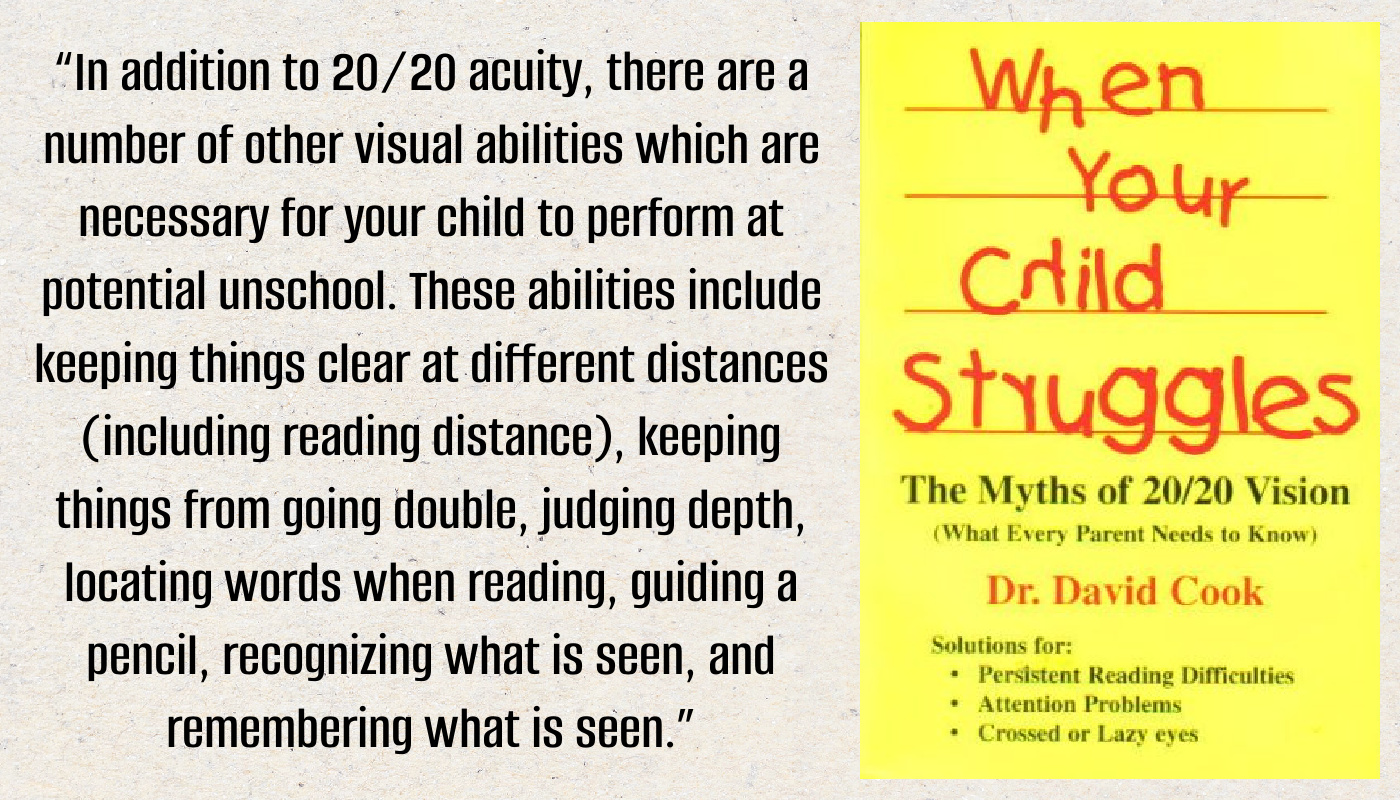
Leonardo da Vinci, by Walter Isaacson—Charleston and I have been doing research for a report that he is writing on Leonardo da Vinci, so our library bag has been filled with juvenile biographies of the renowned Renaissance man. The research prompted me to go even deeper with Isaacson’s biography that has actually been on my TBR for some time.
Renowned biographer Walter Isaacson embarked on this book because he viewed Leonardo da Vinci as the ultimate example of a theme that Isaacson often pursues in his biographies: “how the ability to make connections across disciplines—arts and sciences, humanities and technology—is a key to innovation, imagination, and genius.” Isaacson weaves this theme into his chronicling of the self-taught man whose status as the illegitimate son of an Italian notary largely worked in his favor, paving the way for an unconventional life of art and scientific study. Though Leonardo is largely known for painting some of the most famous pieces in history, he was also a great man of science and technology whose study of human anatomy and of nature transformed contemporary scientific understanding and whose inventions were centuries ahead of their time.
With a subject as fascinating as Leonardo, I think it would be difficult to write a book that was NOT captivating. However, this particular biography didn’t entirely work for me. Isaacson really gets into the weeds with Leonardo’s various masterpieces and inventions, and while his work is certainly deserving of examination, I found myself wanting more of Leonardo the man and less of his work. That said, Isaacson does do an excellent job of extrapolating valuable insights and present-day lessons from Leonardo who, though possessing seemingly superhuman talent, was a mere mortal whose life offers plenty of teachable moments.
“Yes, he was a genius,” Isaacson writes, but “his genius was of the type we can understand, even take lessons from. It was based on skills we can aspire to improve in ourselves, such as curiosity and intense observation. He had an imagination so excitable that it flirted with the edges of fantasy, which is also something we can try to preserve in ourselves and indulge in our children.” With this biography, Isaacson reveals the genius of Leonardo while also inspiring the non-geniuses among us to both admire and learn from one of the most remarkable minds of history. Leonardo was a man driven by curiosity, and for those curious about Leonardo, the Renaissance, or the ideas that originated within the time period, this is a worthwhile place to start.
My Rating; 4 Stars // Book Format: Audiobook
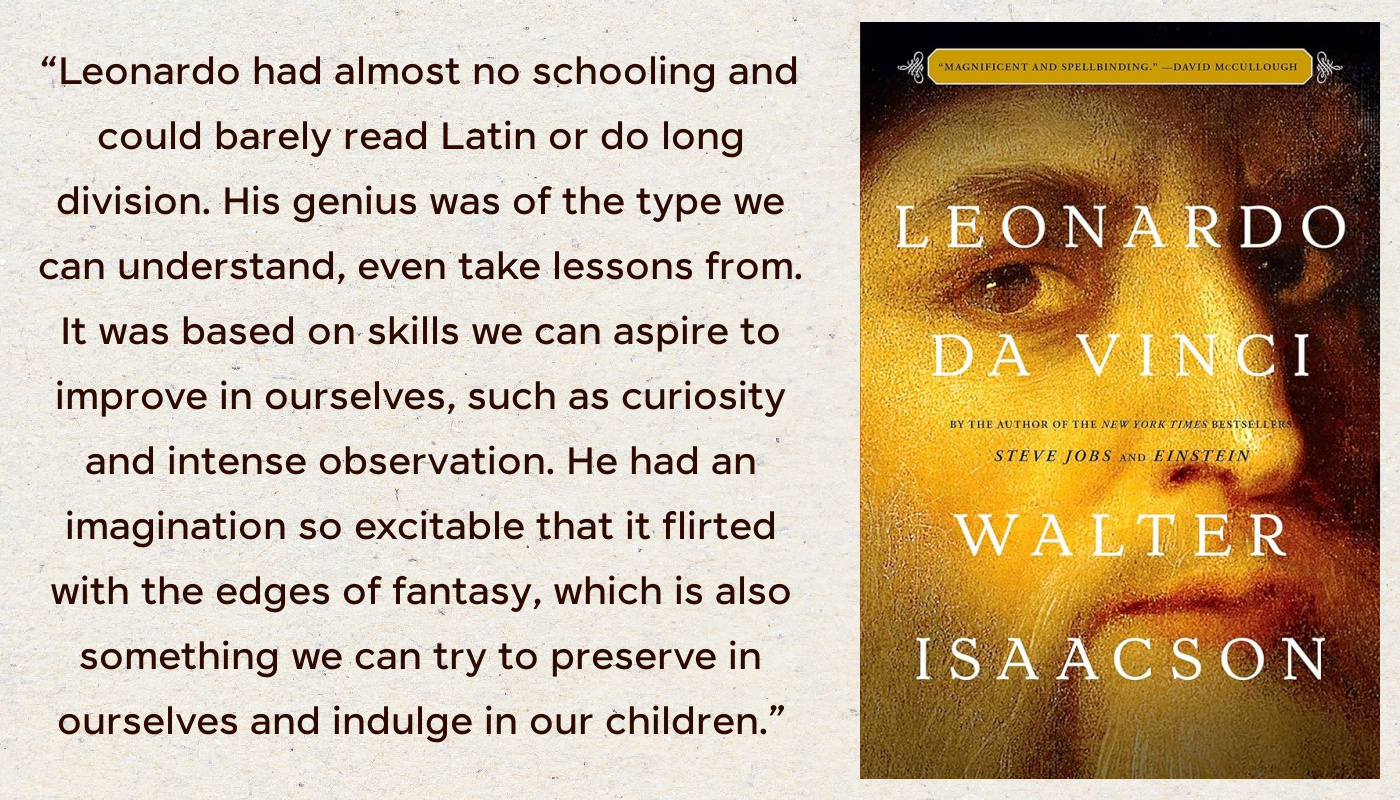
I Just Wish I Had a Bigger Kitchen: And Other Lies I Think Will Make Me Happy, by Kate Strickler—Discontentment and the desire for life to be just a little bit better goes all the way back to Eve in the Garden of Eden, and the advent of social media has only exacerbated the issue. Who among us HASN’T seen a picture of that model home or the idyllic family or the amazing vacation and felt like our own home/family/experiences didn’t measure up? With this book, Kate Strickler—founder of Naptime Kitchen—shows that even popular Influencers (the ones we’re all measuring ourselves against!) are not immune to these thoughts. After years of striving and comparing, Kate set out to find a better perspective and appreciation for the life she was actually living, and in this book that is part memoir/part how-to she invites readers to do the same. Together we look at ten of the biggest “I just wish” statements women struggle with (“I just wish I was a better mom/had a better husband/looked better/had more control, etc.”), getting a glimpse into how these struggles have shown up in Kate’s life and learning new mindset shifts for how we can counter them for ourselves.
This book was . . . fine, though it felt a lot more like “popular influencer got a book deal” than a subject about which the author was genuinely passionate or qualified to address. The premise is important and all-too-relatable, and I appreciated Kate’s candor in sharing her own struggles. However, at points it seemed like she was trying a little too hard to be come across as relatable—which is not entirely possible for an influencer with a massive following. I also wish that Kate’s faith applications and Scripture were more prominent in the writing rather than a convenient add-on. Still, I nodded along to much of the book and found the chapters on friendship, appearance, and control especially relevant. I could 100% relate to the portions on the humbling that comes with that fourth baby!
I was unfamiliar with Kate or Naptime Diaries prior to hearing her make the book publicity rounds on many of my favorite podcasts. I have a feeling that I would have enjoyed/appreciated this more if I were a longtime follower. A deeper familiarity with Kate might have also have mitigated the strong Jen Hatmaker vibes that I couldn’t shake while listening.
My Rating: 3.5 Stars (Rounded to 4 Stars on Goodreads) // Book Format: Audiobook
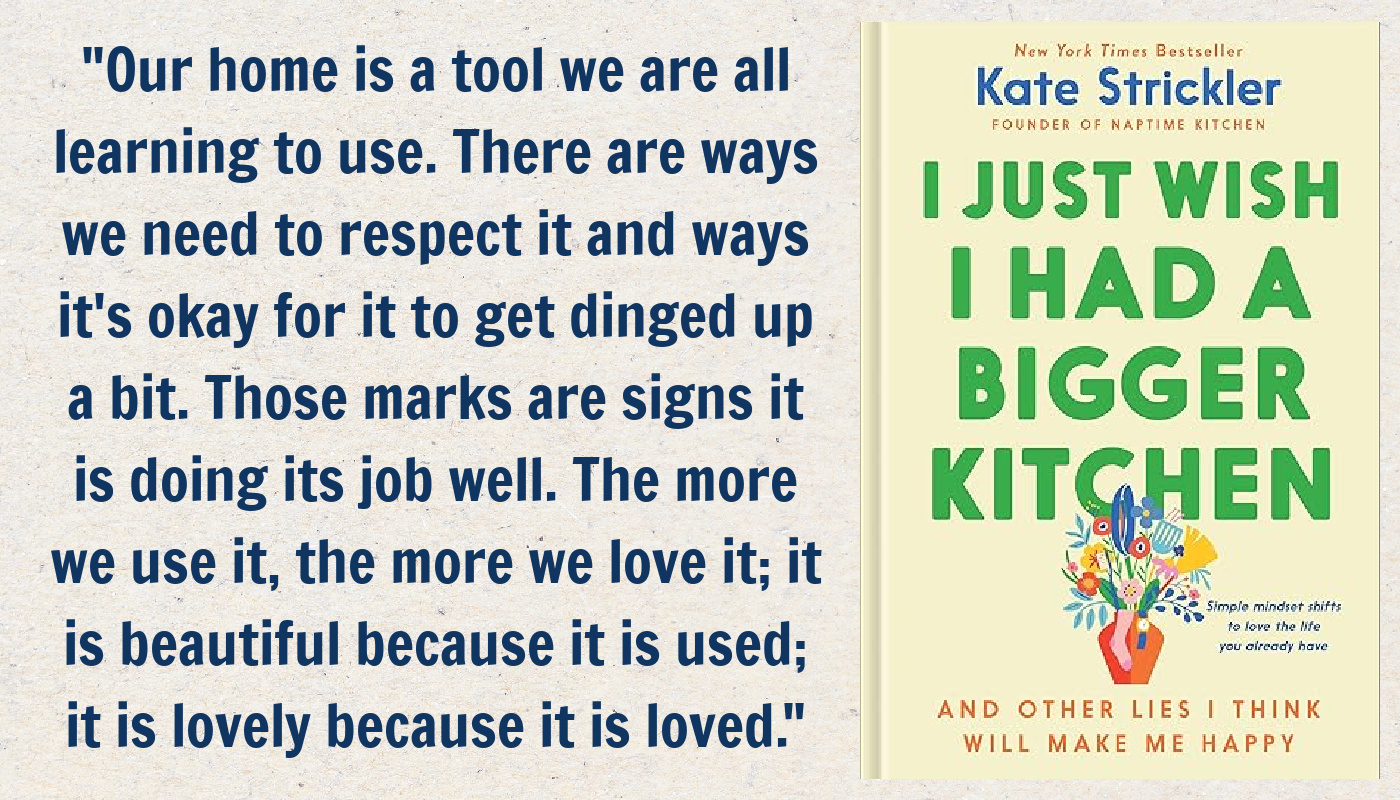
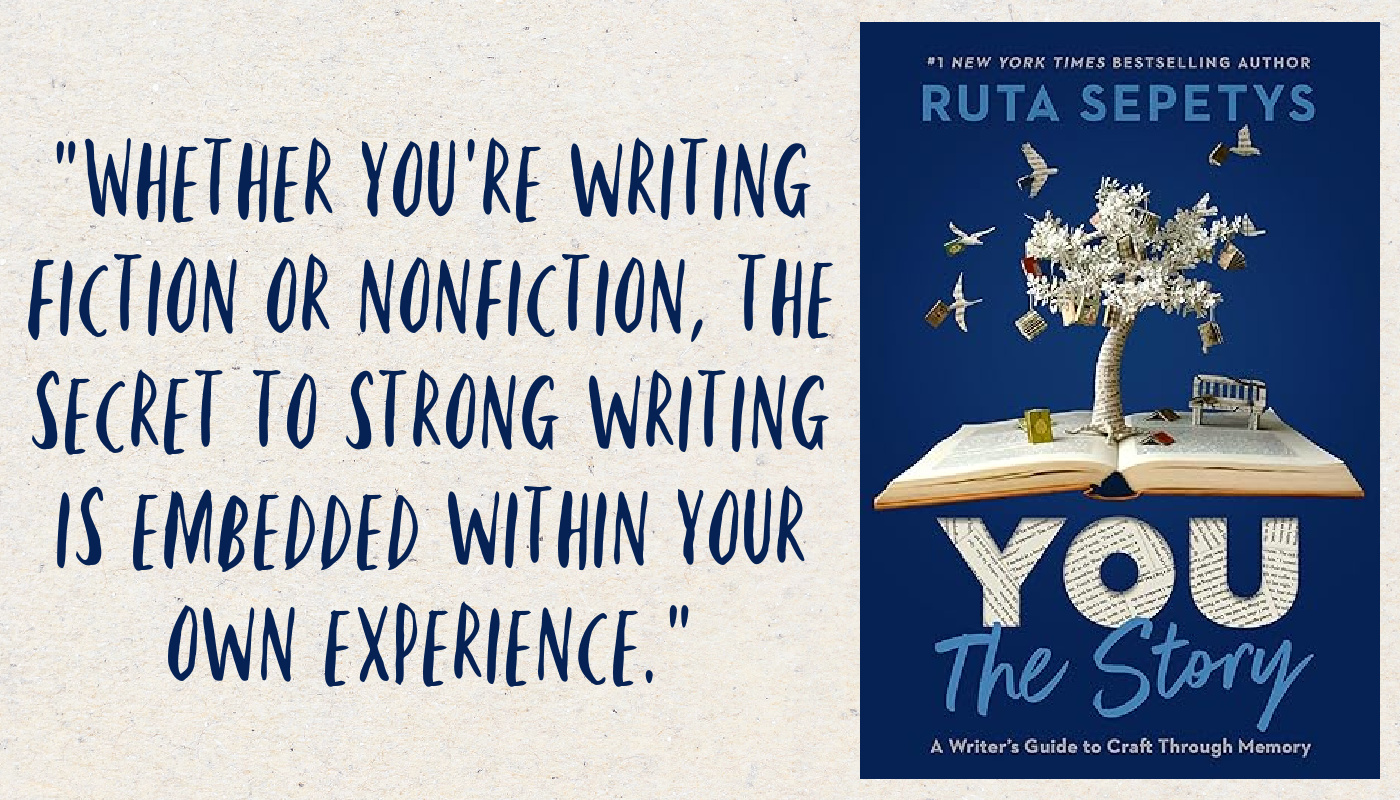
You: The Story: A Writer’s Guide to Craft Through Memory, by Ruta Sepetys— I enjoyed Ruta Sepetys’ I Must Betray You and have several of her other books on my TBR, but I had no idea that she’d written a book on the craft of writing until I saw it highlighted by Michelle. And Michelle was right: this book is incredible!
In You: The Story, Sepetys gifts aspiring writers with the secrets she’s amassed over the years about adding nuance, authenticity, and emotional resonance to our work by imbuing our fictional stories with memories and experiences from our own lives. Sepetys touches on the main components of storytelling—Character, Plot, Atmosphere, Voice, etc—but she moves beyond dry guidelines, illustrating how the Four H’s (Heartbreak, Hope, Hilarity, and Humiliation) can infuse our writing with a “vivid depth of feeling” that “transports and transforms.” Each section incorporates illustrative anecdotes from Sepetys own fascinating life, from her childhood as the daughter of immigrants to her years working in the music industry in LA, her dad’s failing health, and her wacky tour of boyfriends. Each section ends with a helpful recap, along with writing prompts and story ideas that can serve as a launching point for writers wanting to put her ideas into action. These alone are worth the price of the book, but the storytelling throughout makes this a page-turner and is proof that Sepetys is a worthy guide in the art of crafting an immersive reading experience.
I am not a writer of fiction, but these principles transfer to ALL storytelling and I plan to incorporate her ideas into my own writing. And although this is not necessarily written for a teen audience, it would make a great “textbook” of sorts for aspiring young writers, especially those familiar with Sepetys’ YA novels. (I’m thinking about how I can incorporate it into our own homeschool curriculum.) Even non-writers will appreciate the mesmerizing storytelling and principles that help us to recognize and appreciate the detailed stories that surround us, both on the page and in our own lives. This is possibly the most practical AND entertaining book I’ve read on writing, and has landed a spot on my All Time Favorites bookshelf.
My Rating: 5 Stars! (Plus ten stars for that cover!) // Book Format: Kindle
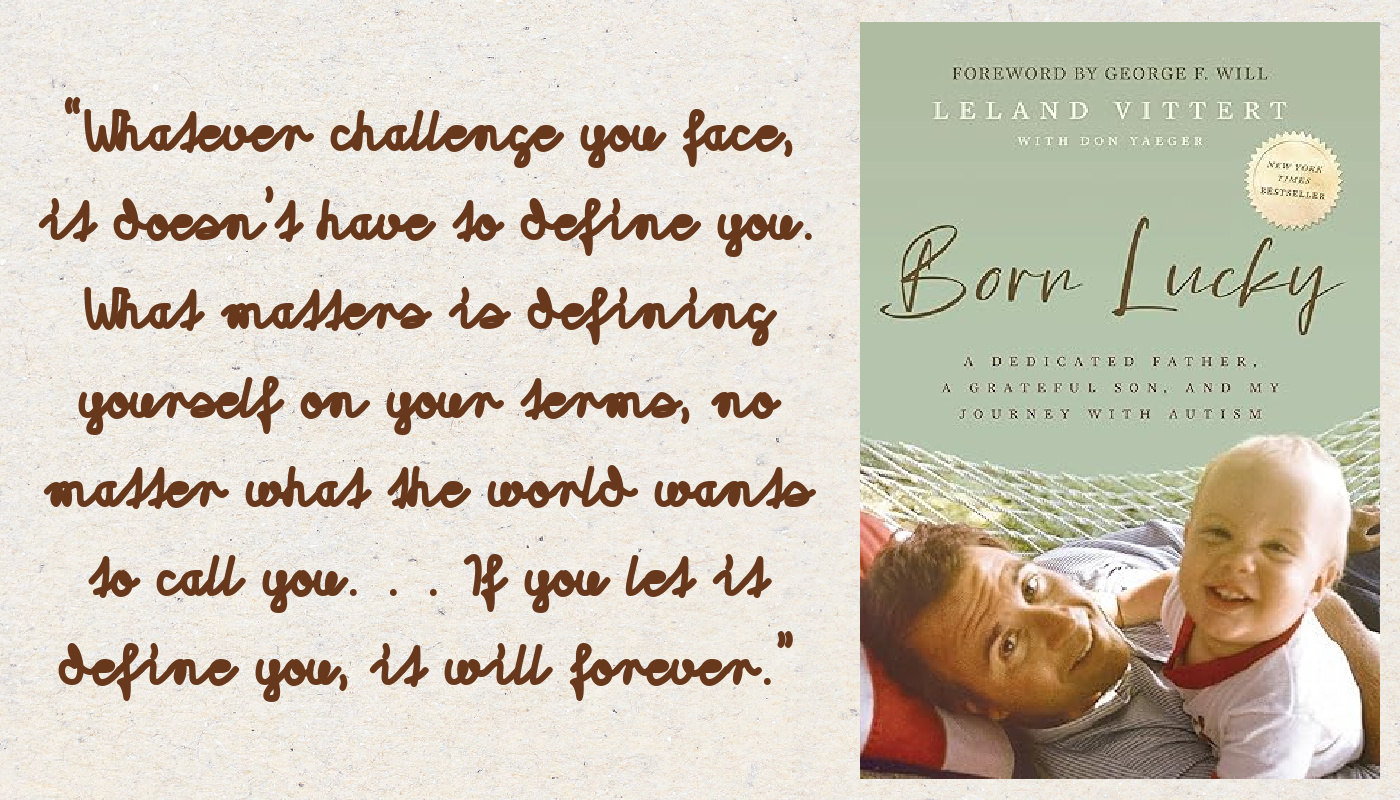
Born Lucky: A Dedicated Father, A Grateful Son, and My Journey with Autism, by Leland Vittert—To those who have seen Leland Vittert anchoring the news or (as I’ve encountered him) conversing with a podcast host, he is an ordinary journalist: confident, poised, and an avid pursuer of truth. Few would guess at the nearly-insurmountable obstacles that he faced on the path to achieving his dreams. When Leland was born, the doctor nicknamed him Lucky because the umbilical cord encircling his neck had not resulted in lasting brain damage (or worse). But it soon became apparent that Leland was not like other children: he didn’t talk until he was three, lacked social awareness, and simply didn’t fit in. Testing confirmed that Leland was Autistic, a diagnosis that was not understood as well in the early 1990s as it is today. But Leland’s parents refused to let this diagnosis define their child or limit his chances at life.
When Leland became the victim of frequent bullying from his peers and even teachers, his father—knowing the world wouldn’t change to accommodate Leland’s needs—determined that he would help Leland change to meet the challenges the world would throw at him. Leland’s dad quit his job and became Leland’s best and only friend as well as his personal coach, teaching his son important social cues, helping him learn how to stand up to the bullies, and filling his child with the love, support, and affirmation that he wouldn’t get anywhere else. Under his parents’ firm guidance and relentless encouragement, Leland would go on to become an acclaimed journalist whose peers at Fox News, in Washington DC, and on the battlefields of the Middle East never knew of the Autism label that Leland and his parents brazenly defied.
This book flies in the face of the victim mentality that permeates our culture. Vittert is honest about the challenges of Autism and especially the cruelty he encountered as a child, but he never delves into self-pity or uses his challenges as an excuse or a crutch. Vittert’s story of courage and resilience is hugely inspirational and a testament to the approach Vittert’s parents took in refusing to coddle their child in favor of preparing him for a world that would not always bend to his unique needs.
The father-son dynamic drives this memoir, and it is this story of tremendous love and sacrifice that WRECKED me. Vittert’s father gave everything for his son and never stopped believing in him, even when everyone else had given up. His approach to his child’s diagnosis will be seen as controversial by some, especially in our current age when “advocating for your child” essentially means identifying each possible diagnosis and maximizing the accommodations for any and every disability. But Vittert’s dad didn’t reject the Autism label out of embarrassment or prejudice; instead, he saw the potential in Leland and let love guide him in helping his child overcome everything life threw at him. Vittert’s life (and this book in particular) is a remarkable tribute to the great value of a parent’s support and unconditional love. The afterward from Vittert’s dad, with a few notes on his own experience fathering a child with Autism, was insightful and empowering.
This book covers some really hard topics, but the tone is light and even humorous. Of course my favorite bits were those related to Vittert’s parents and their cheering on of their son (to this day!), but I also enjoyed the behind-the-scenes glimpse at the life of a political journalist. I was especially intrigued by Vittert’s insight into the ways that his Autism (which makes him a very black-and-white thinker) has helped him to be a fair and balanced reporter who prioritizes facts over politics or narrative.
I highly recommend this one for fans of uplifting memoirs, for parents looking for solidarity in raising children with unique challenges (or individuals grappling with challenges of their own), or for anyone seeking a beautiful story about the power of a parent’s love.
My Rating: 4.5 Stars (Rounded to 4 Stars on Goodreads) // Book Format: Audiobook
FICTION
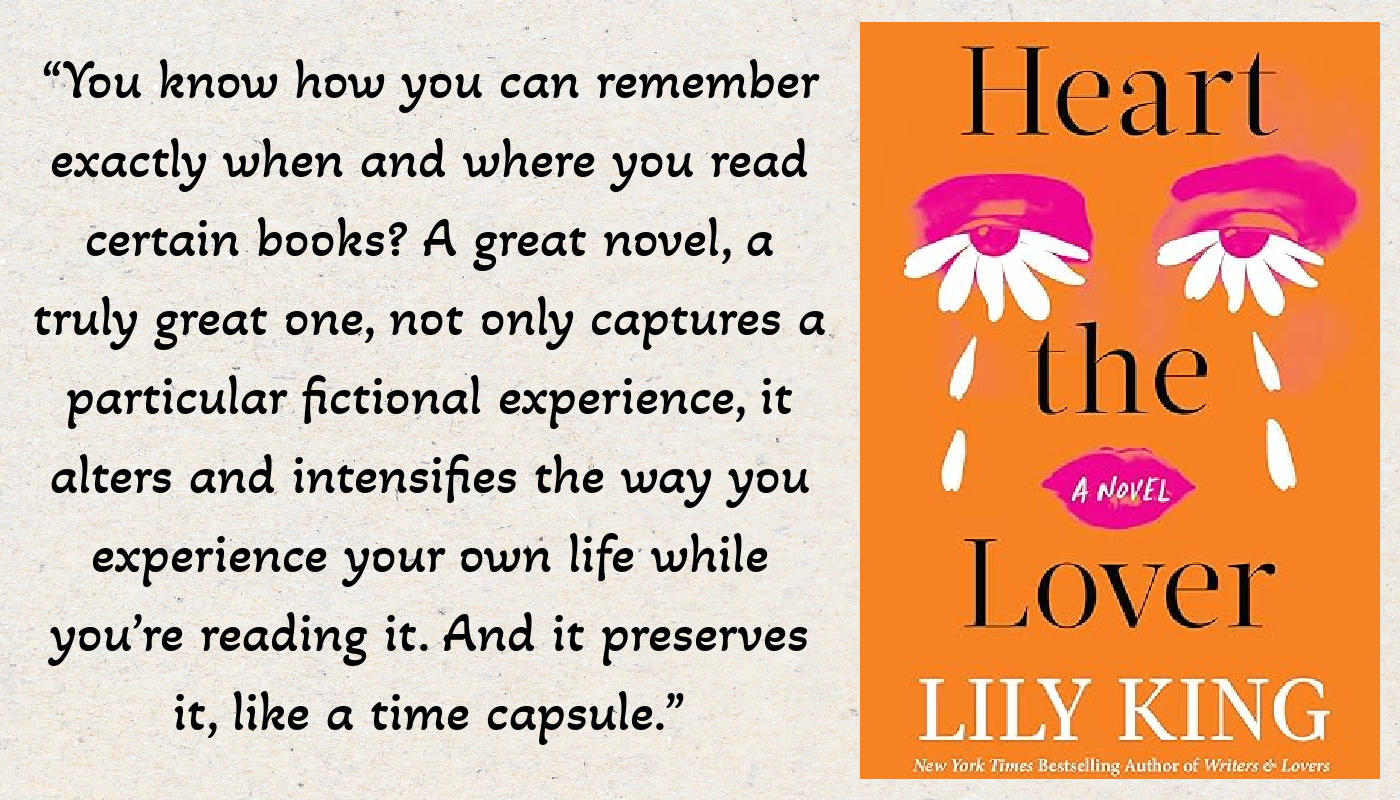
Heart the Lover, by Lily King—Our narrator is a writer known for her love stories, but she’s never told the great story of the one who got away. . . until now. In the fall of their senior year of college, she captures the attention of Yash and Sam, best friends who are star literature students living off campus in their professor’s elegant house. They nickname her Jordan and the three soon fall into a complicated relationship that sends shockwaves through their friend circle over the next year. Two decades later, Sam and Yash reenter Jordan’s world and the trio is finally forced to confront the emotions, heartbreaks, and lifelong repercussions of their youthful connections.
This book was everywhere late last year and is widely loved by many; sadly, I didn’t fall into that camp, despite having read and enjoyed Writers and Lovers. (The books are connected, with Heart the Lover serving as a prequel and sequel to Writers and Lovers, though both books can stand alone.) After the first half I was honestly wondering if I was reading the same book as everyone else because I was just not drawn in by the weird love triangle (and was downright put off by the pretentious literary talk, condescension towards Christianity, angst, excess side characters. and unrestrained steaminess). The book’s wistful tone and haunting prose kept me reading, and I did like the second half more: our characters are much less insufferable once they’ve had a chance to mature, and the final pages are poignant and sad in a way that felt authentic and earned rather than saccharine or forced. I found the passages about parenting, though brief, to be far more emotional and beautiful than the romantic storylines.
Lily King is a masterful storyteller with an impressive ability to capture the subtle poignancies of relationship, loss, misaligned expectations, remorse, forgiveness, unreliable memories, and the confusing nature of time. But while I appreciated the artistic merit of this book and understand the literary acclaim, these were not characters I enjoyed spending time with, and theirs was a story I did not particularly love reading.
My Rating: 3 Stars // Book Format: Kindle
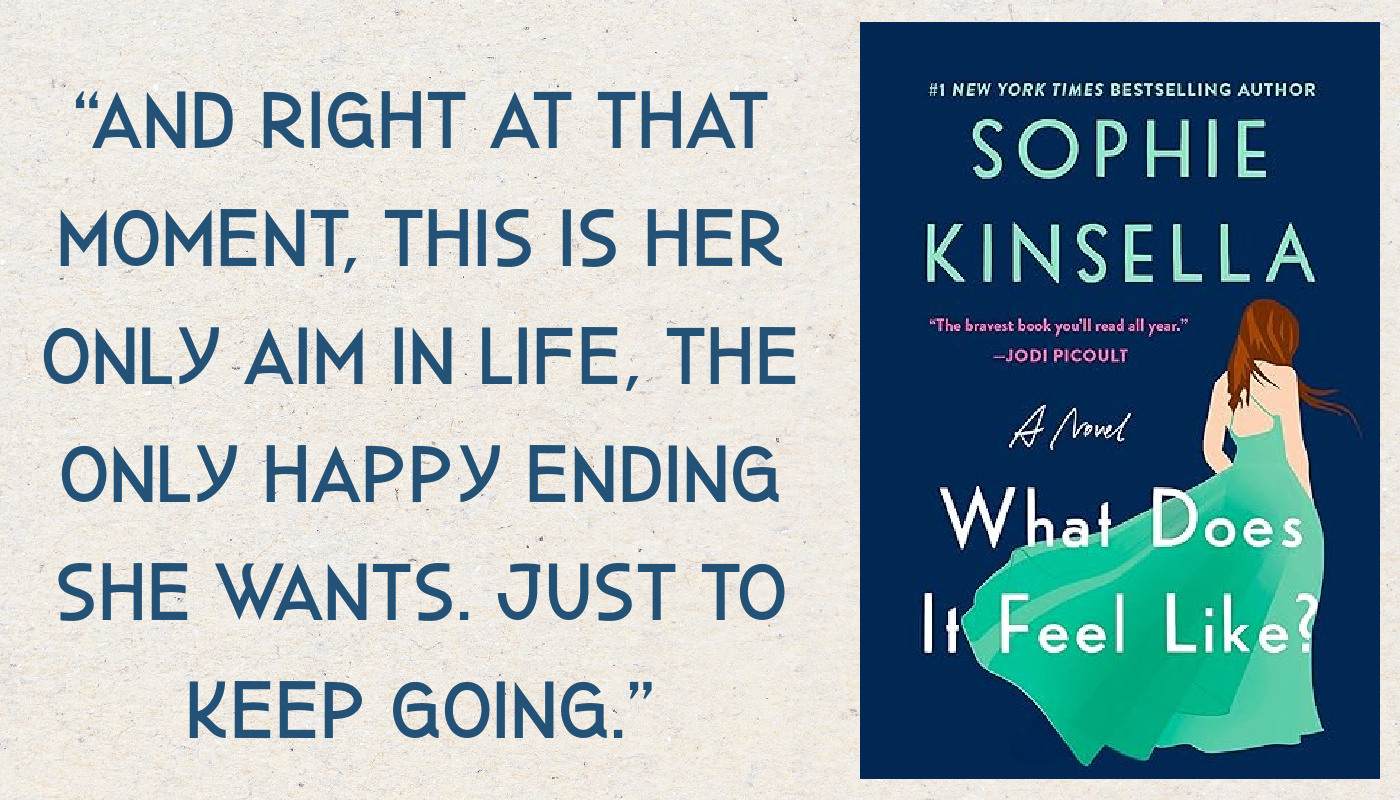
What Does It Feel Like?, by Sophie Kinsella—Inspired by Sophie Kinsella’s personal battle with glioblastoma, this is the story of Eve, a successful novelist and mother of five who wakes up one day in a hospital bed with no memory of why she’s there. Her husband patiently explains (for the first of many times) that she has undergone an operation to remove a malignant brain tumor. Eve must relearn the basics of walking, talking, and writing while navigating her personal grief and helping her family come to terms with all that is ahead.
This is such a difficult but beautiful, life-affirming read that grapples with the intricacies and questions surrounding life and loss and illness. The novella is told through vignettes in a stream-of-conciousness style that mimics Eve’s tenuous relationship to her own memory and coherence. While the subject is heartbreaking, the overall tone is warm, hopeful, and even humous. My one wish is that this were a full-length novel, which would give readers a longer runway for connecting with our characters before jumping right into the deep end of their pain.
Sadly, Kinsella lost her life to the disease that inspired this novel. I am grateful for her courage and candor in sharing this story—which is really HER story—that will undoubtedly be a beacon of light to many others navigating similar circumstances and seeking solidarity and solace in the midst of their own crises.
My Rating: 4.5 Stars (Rounded to 4 Stars on Goodreads) // Book Format: Kindle
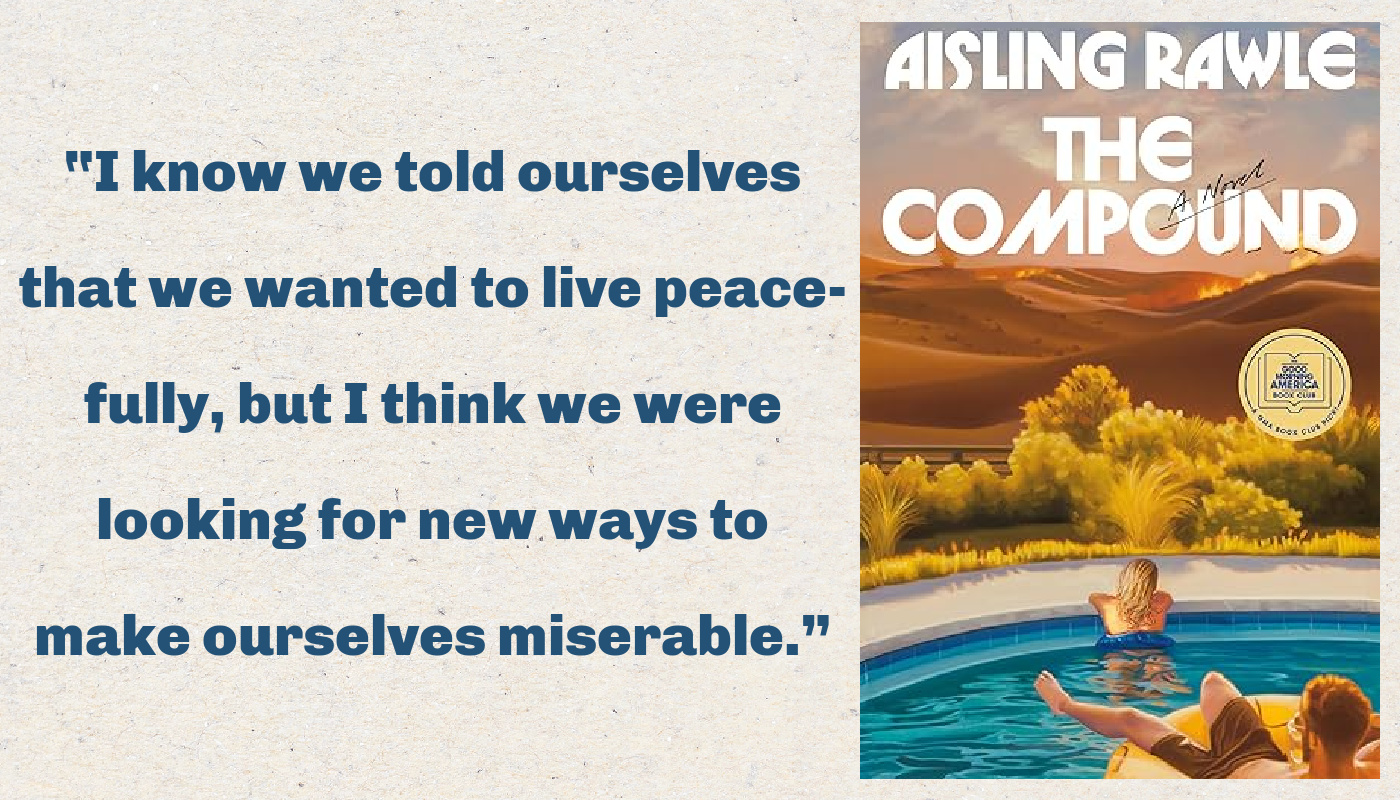
The Compound, by Aisling Rawle—This dark dystopian satire is essentially Lord of the Flies set in the world of reality television. The story begins when Lily—a beautiful twenty-something who is admittedly not very interesting or bright—awakens in a remote desert compound, one of twenty contestants competing to be the last houseguest standing. The contestants must complete personal and communal challenges to gain basic necessities as well as luxury rewards, and every move is catured by cameras to be viewed by millions of followers of the massively popular show.
The contestants’ true personalities and motivations are obscured by the rigorous show rules that challenge contestants to manipulate, deceive, and double-cross one another while also preventing them from revealing anything about their background or life beyond the compound. Nobody can be trusted, and as their numbers begin to dwindle, the stakes grow higher and the competition grows fierce and possibly even deadly.
While the premise is intriguing, I did not enjoy my reading experience with this one. On an allegorical level, it makes powerful statements about consumerism, performance culture, manipulation, ambition, vanity, voyeurism, and toxic community dynamics. The book offers plenty to ponder and discuss, but I was put off by the dislikable characters and the extent of their deplorable behavior, as well as the disturbing nature of their competition and the demoralizing challenges that they are willing to undergo in their pursuit of material items and elusive fame. The book starts off disorienting and unsettling (due to the odd dystopian setting and unwieldily character count), transitions into tedium (with endless competitions and backstabbing), and concludes with horror followed by desperation and despair; I am certain this trajectory was intended by the author, whose bleak commentary on the nature of capitalism and sociological trajectories was not lost on me, but it did not make for pleasant reading.
I fell prey to FOMO in reading this but should have gone with my gut and DNF’d after the first few chapters.
My Rating: 3 Stars // Book format: Kindle
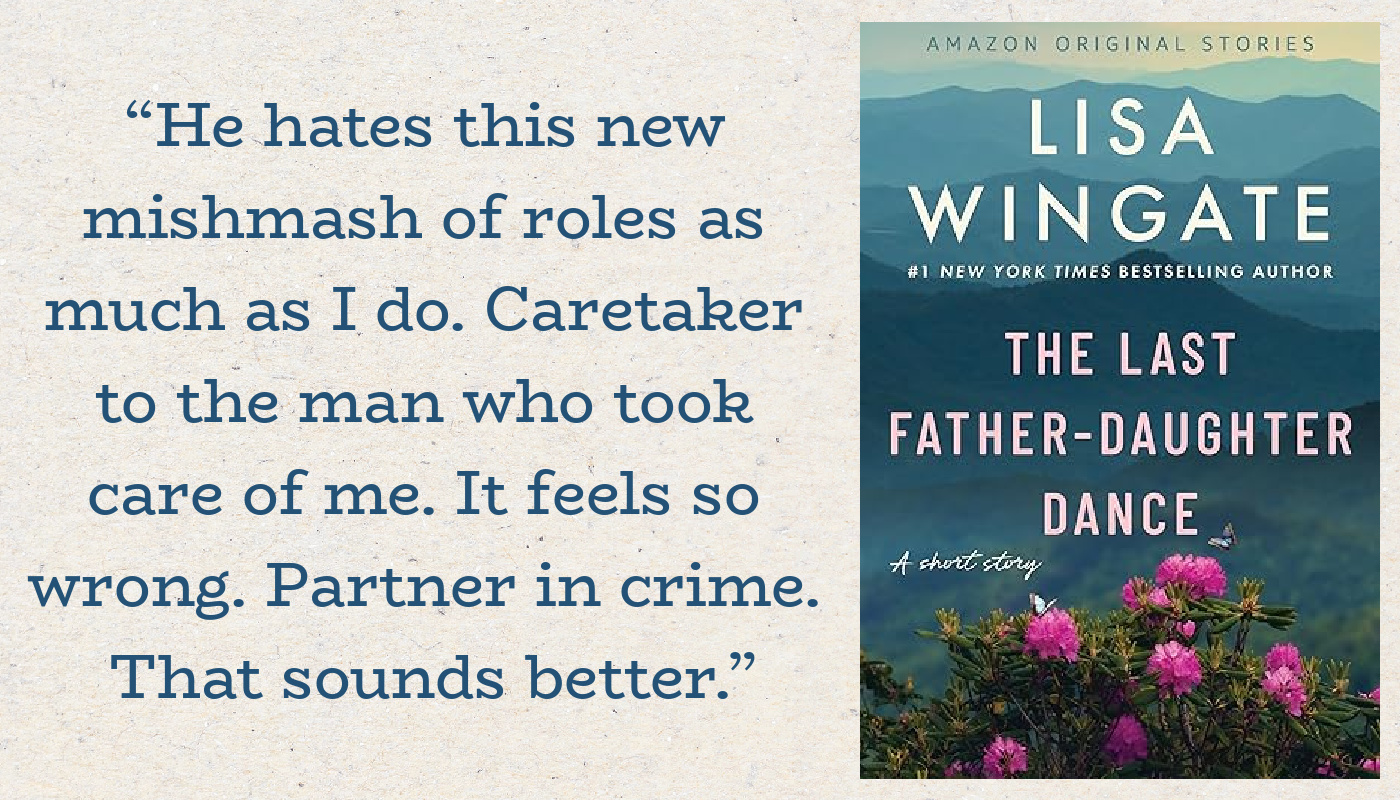
The Last Father-Daughter Dance, by Lisa Wingate—Olympian Kalista Brooks has competitions to train for and a company to manage in her adopted home of California, but when she gets news that her father is on the waitlist for a heart transplant and might have just months to live, she drops everything to be with him in Atlanta. Knowing their time is limited, Kalista happily agrees to her father’s request that they spend a month at the family farmhouse in the Blue Ridge Mountains reliving memories across four seasons. With the help from some friends (including a childhood pal, Calvin Calhoon, who is now all grown up and a shockingly good catch), Kalista and her father savor their precious month together, building upon old memories to create new and truly unforgettable ones.
I enjoyed this tender father-daughter story and wish it could have gone on longer. Though the end-of-life storyline is sad, the tone is uplifting and hopeful, focusing on celebration rather than loss and regret. The romantic subplot seemed unnecessary to me, but it didn’t take away from the beautiful account of a daughter and her doting father. This left me wanting to give my own dad a huge squeeze.
My Rating: 4 Stars // Book Format: Kindle
MIDDLE GRADE (READ-ALOUD)
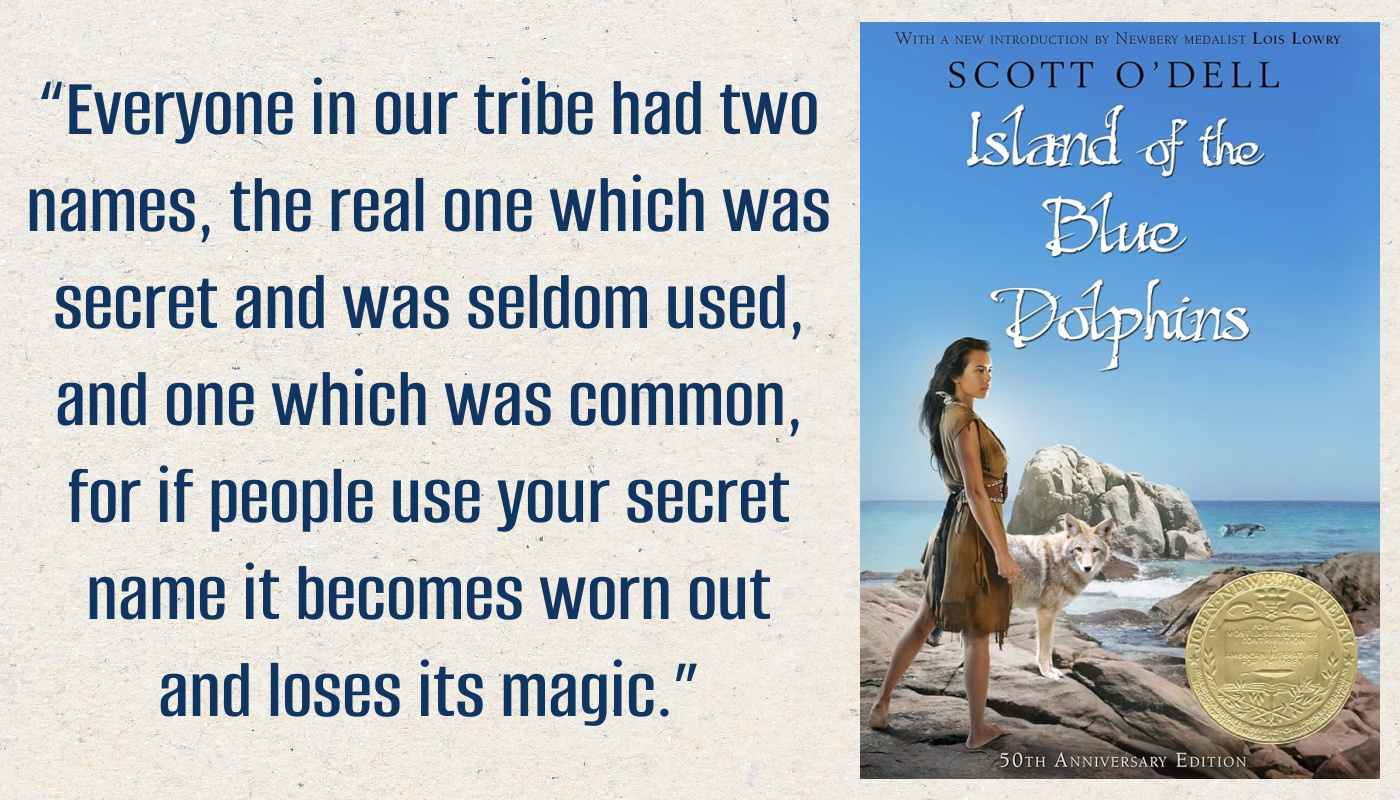
Island of the Blue Dolphins, by Scott O’Dell—In the early 1800s, Karana is a Nicoleño girl living in a small village on San Nicolas island, where she and her people spend their days hunting seals, fishing, and gathering roots for food. When a ship of Russian fur traders appear on the island, a confrontation leads to the death of Karana’s father, the chief, as well as most of the village’s men. Shortly afterward, a group of missionaries arrives to take the surviving villagers to the mainland but Karana and her brother, Ramo, are left behind. Karana’s brother soon falls prey to a pack of wild dogs and Karana finds herself entirely alone on the island with only wild animals for companionship.
This survivalist tale is a story of courage and resilience, and while I appreciate the beautiful nature writing and adventures moments of Karana contending with the elements, it makes for slow reading, especially as a family read-aloud. It is also incredibly sad. I read this as a child and had fond memories of the book; I enjoyed it less so this time, but I don’t regret reading it with my kids. Kali and Charleston shared my opinion of Island, which we would categorize as “decent, but dry”; however, Sully really liked this one “because she made lots of animal friends.”
My Rating: 3.5 Stars (Rounded to 4 Stars on Goodreads) // Charleston’s Rating: 3.5 Stars // Kalinda’s Rating: 3.5 Stars // Sullivan’s Rating: 4.5 Stars
Have you read any of these books? What did YOU think? And what have you been reading lately, anything to recommend?
I was sitting in front of my computer and had read all my emails, and then POP! Up comes Quick Lit with Kendra!! Hooray! My favorite newsletter.
I have a question about what you said about the 20/20 vision thing—do you mean that after 15 min or a half hour or more, that a child’s ability to see the little letters on the wall, might decrease? I find this concept so strange. Unless I’m not understanding it correctly.
You, The Story by Sepetys, sounds great! I would gladly read that, not that I plan to write books, but I love to read about the process. They always say, “Write what you know.”
I’ve never heard of Leland Vittert, but it certainly sounds inspiring! What devotion and dedication his father showed towards him!! I was reading the same in Nicholas Sparks’ memoir (“Three Weeks with My Brother”)—he has an autistic child, the doctors seemed stumped, and nobody seemed to want to work with him, so Nicholas started painstakingly teaching him, for hours every day, and it brought forth results!
Heart the Lover is one that I’ve been steadfastly ignoring. I started Writers and Lovers and got bored, and not happy with that lifestyle, and didn’t pick it up again.
Thank you for telling me about The Compound, I will gladly strike it off my list!! I”m with you!
And finally, I read The Island of the Blue Dolphins as a young person, too, and I remember that I felt it was an exciting concept—surviving alone. It felt like an important book to me. I don’t remember if it got tedious. I’ve always wanted to test my survival skills, so I thrived on books like that one.
Thanks, as always!
According to the vision book there are many other ways that vision can “go wrong”, like not being able to sustain focus for more than the time that you need to read a chart, not being able to read strings of words in a row, etc. It’s so fascinating, I had always assumed that if you passed a vision test you were good to go!
I need to read the Sepeteys writing book! Thanks for the inspiration!